
For senior adults aged 65 years and above, healthy blood pressure ranges between 120/80 and 90/60. Blood pressure over the higher limit is called hypertension, and below the lower limit is called hypotension.
People are usually quite concerned about hypertension because if not kept in check, it can lead to a heart attack or stroke.
Hypotension, on the other hand, is considered less concerning. However, problems with low blood pressure can be just as dangerous, only in different ways.
It’s All Greek to Me!
‘Hypo’ is a Greek word means underneath, or below. That’s where we get the words ‘hypothermia’, when your body temperature falls below normal levels, or ‘hypodermic’ needles, which are poked under the dermis, or skin.
Mechanics of blood pressure
You know how kids try to climb a doorframe by pressing their hands and feet against the sides and inching their way up? Your blood works in exactly the same way. It pushes, or exerts pressure, against the sides of the arteries and veins to circulate your body and deliver vital oxygen and nutrients to your organs.
Symptoms of hypotension: How to know if you’re experiencing low blood pressure
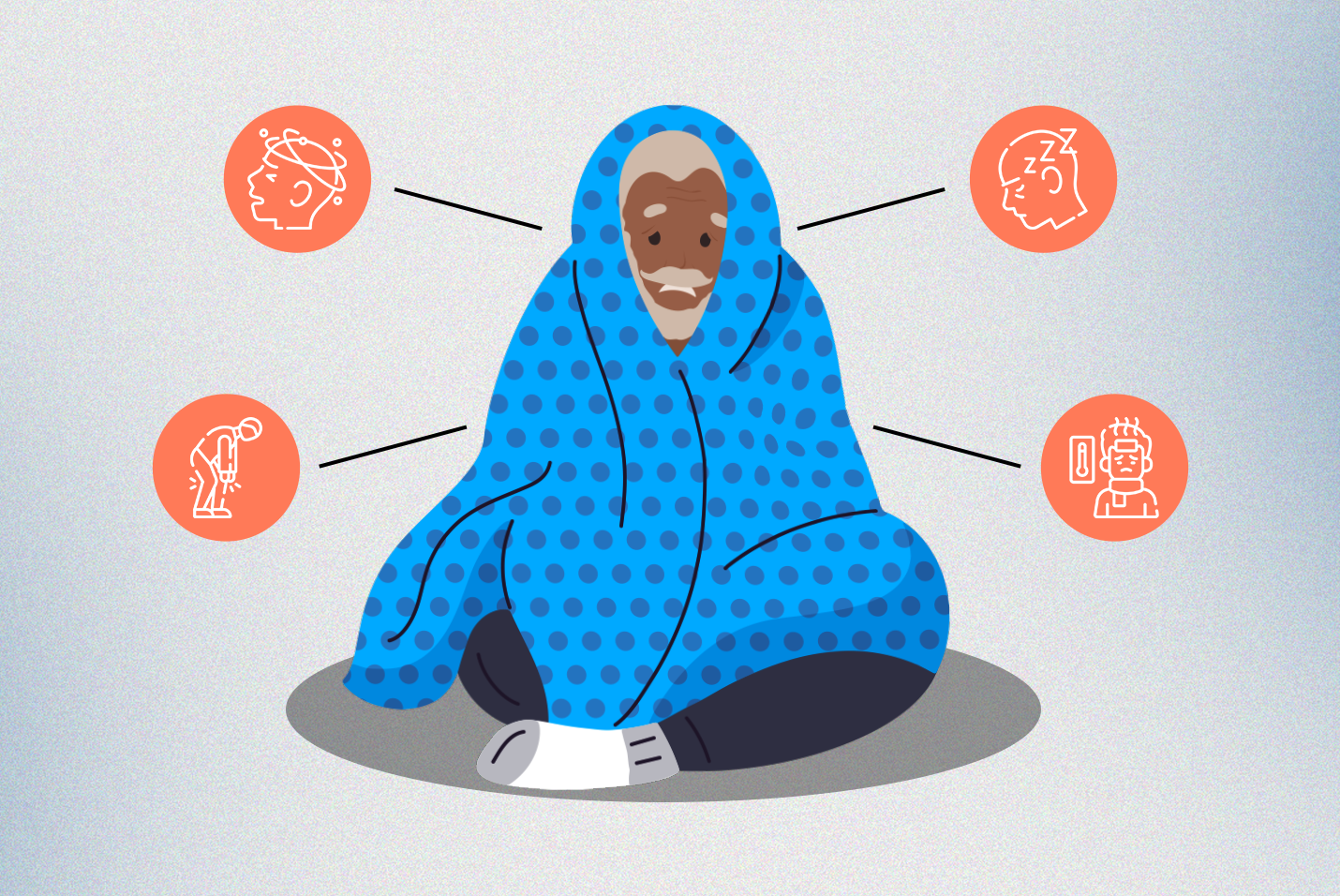
Hypotension doesn’t always show symptoms, and you may be able to function as usual without noticing anything out of the ordinary. But if it suddenly dips too low, or remains low for very long periods of time, some symptoms may appear, including:
- Headrush: You feel dizzy and lightheaded, especially when you stand up too quickly.
- Fatigue: You feel tired and drained of energy, even though you may have just had a nap.
- Confusion: You feel disoriented, unable to focus or concentrate. If someone speaks to you, you can’t comprehend what they’re saying.
- Blurred vision: Objects you look at appear hazy, shaky, and unclear.
- Cold hands and feet: Your extremities are colder than the rest of your body. Your fingertips, toes, and lips may also have a bluish tinge.
Dangers of low blood pressure
If the kids climbing the doorframe don’t press hard enough, they won’t move up. They may even slide down. Similarly, if your blood doesn’t exert enough pressure, it cannot travel round your circulatory system. This can cause:
- Organ damage
Without an adequate supply of blood, your organs will not get the oxygen and other nutrients they need. Without oxygen, the cells that make up your organs and other tissues begin to die. If the oxygen supply is not restored within 30 minutes, the damage is permanent.
Your brain is at particularly high risk, since brain cells can start dying within 5 minutes of oxygen supply being disrupted.
- Injuries and fractures
Disorientation, fatigue, dizziness, and blurred vision put you at risk of falling down and possibly breaking a bone. Hip fractures are the most common bone injury among senior adults and according to the American Geriatrics Society, around 18 to 33% of all older adults who break a hip will die within the year.
Reasons for low blood pressure in older adults
Low blood pressure is a common health condition among senior adults. Some reasons for age-related hypotension are:
- Your blood vessels have grown stiffer and less elastic because of age.
- The valves of your heart are damaged or diseased, or the heart muscles are too weak to pump effectively.
- A side effect of medications.
- You are not drinking enough water. We need water to maintain our blood volume at a certain level. When blood volume falls because of dehydration, blood pressure also falls.
- Neurological illnesses such as Parkinson’s disease, chronic diseases like diabetes, and other health conditions like poor thyroid function.
10 ways to manage low blood pressure
Hypotension can affect your quality of life. You feel listless, spiritless, and everyday chores begin to seem overwhelming. But low blood pressure can be managed with some lifestyle adjustments.
- Drink more water.
- Get up slowly to acclimatize your body to the change in position.
- Instead of eating a big meal at one sitting, split your food into multiple meals that you can eat spaced out over a couple of hours.
- Replace alcoholic drinks with healthier, fruit-based options.
- Eat small amounts of salty but healthy snacks like salted nuts, cottage cheese, brined olives, or pickles.
- If you’re anemic, catch up on your iron, folic acid, and vitamin B12 supplements.
- Practice mindful breathing that pulls lots of oxygen into your bloodstream, such as box breathing.
- Sit with your feet up. Put cushions or pillows underneath to raise your feet above the level of your heart.
- Wear compression socks. They may prevent blood from pooling in the legs.
- Do low-impact, seated exercises
Medical attention for low blood pressure
Your doctor will always check your blood pressure at every clinical visit. Sometimes, they may provide you with a Remote Patient Monitoring (RPM) device. You will be required to check your blood pressure at the same time daily, and the device will send the reading automatically to your doctor’s office.
If your doctor has any concerns about your blood pressure readings, they may want to test for underlying chronic health conditions. They may also decide to review your medications and modify your long-term preventative care treatment plans to ensure your blood pressure remains stable and healthy.