
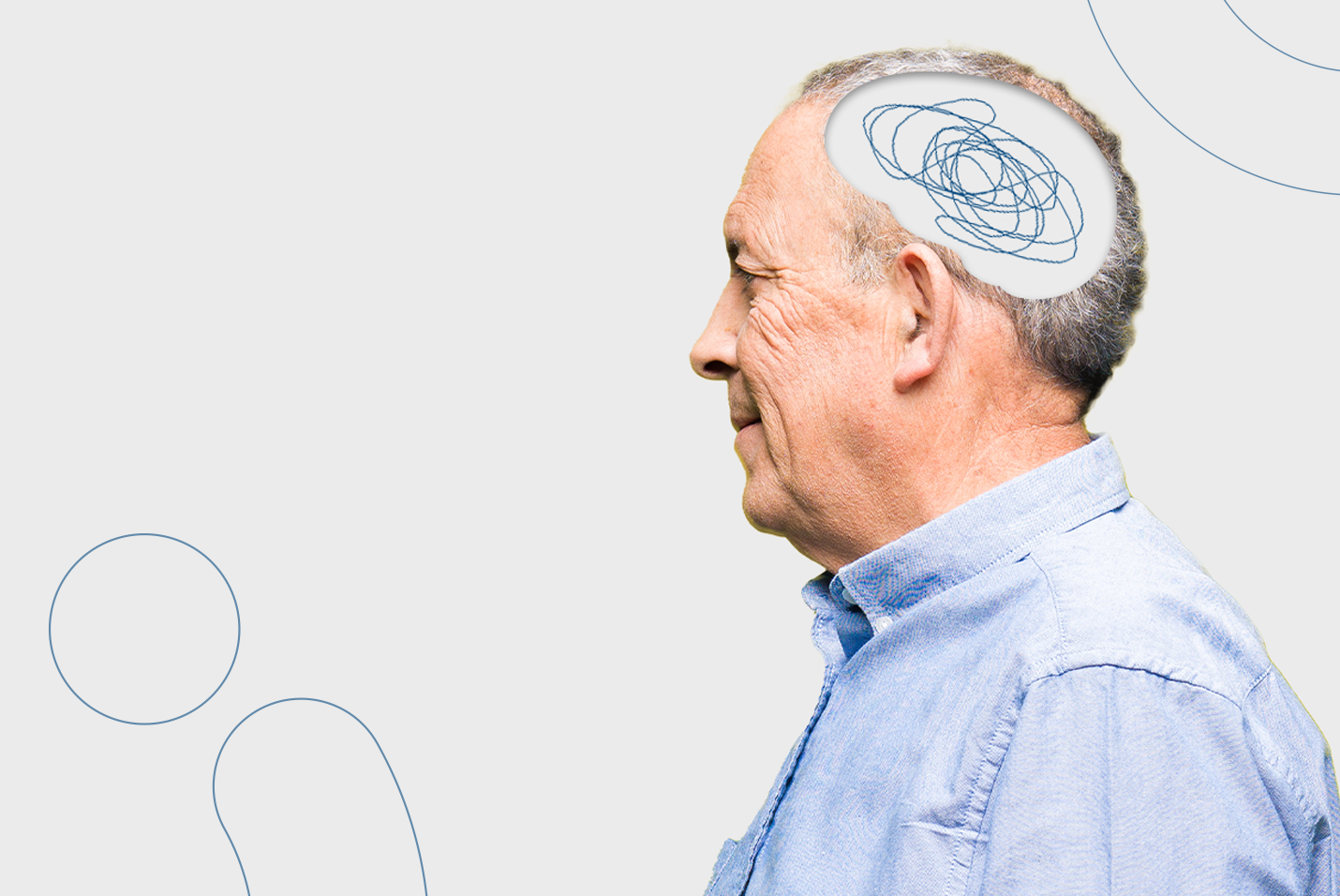
ADHD in senior adults
Attention deficit hyperactive disorder, or ADHD, is known more as a condition affecting children, probably because it is often diagnosed in childhood.
But children grow to become adults, and in 90% of cases the disorder grows right along with them. As a result, ADHD is now considerably prevalent among older adults as well, with 1 in 16 senior adults having been diagnosed with ADHD.
What doctor can diagnose ADHD
You might wonder what kind of doctor do you go to for ADHD diagnosis as an adult. Usually, primary care doctors are able to diagnose ADHD since they follow their patient’s health over the long term, and keep a close eye on anything that may seem out of the ordinary, or different from usual.
Your primary care provider may then decide to refer you to a specialist in neurodevelopmental disorders for a more detailed examination.
What is ADHD
ADHD is a neurodevelopmental disorder. This means it is a condition that occurs when the brain, the spinal cord, and the complex network of nerves in the human body are still growing, forming, and developing.
It helps to think of it as knitting a sweater. You start off alright, but somewhere in the process, the yarn frays, or gets tangled or knotted.
You continue knitting with the frayed yarn, or without sorting out the tangles and knots, and produce a completely serviceable sweater. You can wear it just fine and it will keep you warm, but there will be lumps and bumps that won’t sit flat, or the pattern might turn out wonky.
In the same way, any snags that happen during the development of the nervous system may show up as disorders like ADHD, Tourette’s Syndrome, Autism Spectrum Disorder, and learning disabilities such as dyslexia.
Dopamine and norepinephrine deficiency in ADHD
Neurons are nerve cells that send messages and instructions from the brain to various parts of the body, and vice versa.
These messages and instructions are in the form of chemical molecules called neurotransmitters. There are hundreds of neurotransmitters in the human body, 2 of which are dopamine and norepinephrine.
Our brains produce dopamine when we do something fun. Dopamine makes you feel happy, motivated, alert, and focused.
Norepinephrine helps you perform ‘executive functions’ or mental processes such as paying attention, being aware, and controlling impulses and emotions,
The symptoms of ADHD are stronger in people who do not produce enough dopamine and norepinephrine.
Symptoms of ADHD in adults
In children, ADHD usually shows up as hyperactivity, short attention spans, and impulsive behavior. These same symptoms show up in adults as well, and can be identified as:
Work and career struggles
Adults with ADHD have a tough time managing priorities and deadlines. You may struggle to focus on the task at hand, be easily distracted, lose track of time, and forget meetings and appointments. You are also more likely to job-hop or get fired.
Relationship difficulties
People with ADHD may be prone to impulsive, emotional outbursts. Others may call you ‘high strung’, easily frustrated, and quick to anger. You may jump into relationships too quickly, only to lose interest just as fast.
Poor communication
You might have a tendency to zone out when someone is talking to you, which makes you appear disinterested. Zoning out may also cause you to miss important information. You might talk excessively, frequently interrupt others, and not let others finish talking.
Disorganization and impulsiveness
Problems with planning, organizing, and prioritizing can spill into your personal life as well. You may walk off in the middle of folding laundry and not put it away for days. Or, on a sudden impulse you could decide to clean the entire house from top to bottom, lose interest after a few minutes, and leave your cleaning supplies in the middle of the living room as a hazard to trip over later.
Feeling unmotivated
We all have things we don’t want to do, but they must be done. Generally, we grit our teeth and get on with it. But when people with ADHD are faced with a task they find unpleasant, boring, or overwhelming, they often struggle to begin and tend to keep putting it off.
Emotional and mental health challenges
Being told repeatedly that you’re irresponsible, unreliable, disorganized, or lazy can wreak havoc on your sense of self.
How is ADHD treated
ADHD is not a curable health condition, but it can be very successfully managed with prescription medication, therapy, counselling, or a combination of these.
Medications for ADHD
When your primary care doctors diagnose ADHD and start you on a treatment plan, they will most likely prescribe medications that are categorized as either stimulants or non-stimulants.
You might wonder, “Aren’t I already overstimulated?” It’s a common question among people with ADHD.
In ADHD medications, stimulants are drugs that encourage the production of dopamine. Meanwhile, non-stimulant drugs target nerve cells in the brainstem near the spinal cord, that produce norepinephrine.
During an ADHD screening, your doctor will perform a thorough evaluation of your symptoms, and may also speak with your family and/or friends, to determine the best course of treatment for you.
From the information gathered, your care provider will determine whether to prescribe a stimulant to increase dopamine production, or a non-stimulant to increase norepinephrine levels.
It may take some trial and error before you and your doctor settle on the right drug and dosage levels that work for you.
How important is medication adherence in treating ADHD
As it is for every health condition, making a medication schedule and sticking to it is of utmost importance to successfully bring ADHD under control.
This is because you need to maintain a consistent and stable quantity of the drug’s active ingredients in your body.
Miscalculating a dose, skipping a dose, or accidentally doubling a dose will affect the amount of dopamine and/or norepinephrine in your system. The levels of the chemical neurotransmitters can spike or dip, and it may take a while to bring them back to stable levels.
ADHD treatments on Medicare
ADHD is considered a mental health condition, and Part B of Original Medicare covers mental health services. These include consultations with psychiatrists and psychologists, both of whom should be able to provide necessary specialized counselling.
Psychiatrists are also licensed to prescribe ADHD medications. These are usually covered by Original Medicare’s optional Medicare Part D prescription drug plans.
Most Medicare Advantage plans cover ADHD prescription medications. Please check your specific plan’s drug list, or formulary, to ensure your drugs are covered.
ADHD and quality of life
Undiagnosed ADHD in adults can lead to significant challenges in daily life. It can affect your performance at work, and can strain your relationships with colleagues, friends, family, and partners.
Undiagnosed ADHD can also lead to anxiety, depression, and problems with substance abuse.
But a diagnosis as early as possible, and treatment plans that include medication, therapy, and lifestyle changes, can help you manage your condition well and live a happy, fulfilling life.
Recognizing and addressing ADHD in senior adults can make a meaningful difference in daily life, and it’s never too late to seek support. Many older adults find relief and a renewed sense of control once they understand the source of their challenges and begin appropriate care.
And remember, at IntraCare, our mental health providers are here to help. Visit theintracare.com to learn more and take the first step toward getting support.