
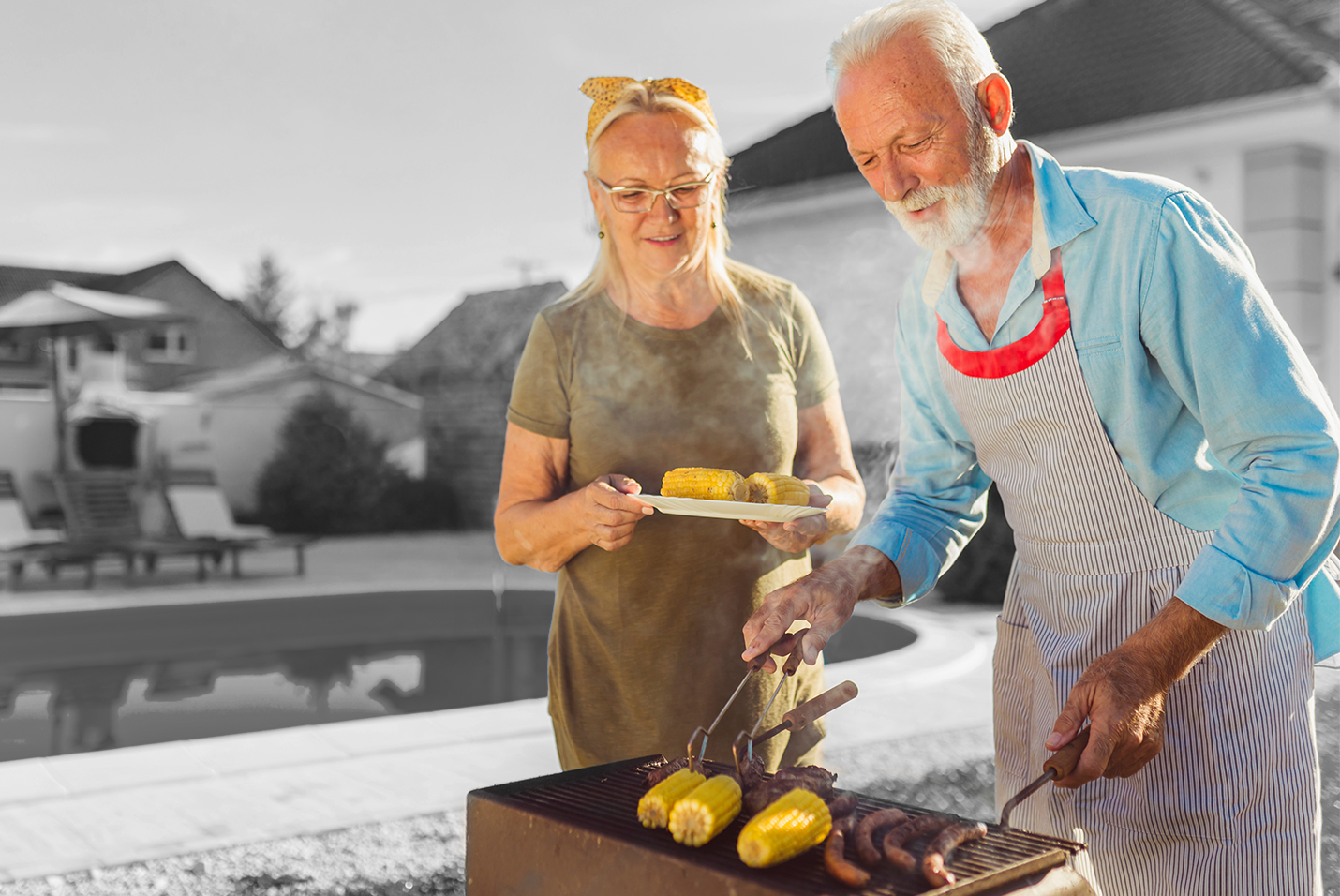
Heatstroke, sometimes written as heat stroke, is a life-threatening health condition brought on by hot weather, high temperatures, and overexposure to the summer sun. It is also known as hyperthermia.
Heat, sweat, and dehydration
The internal temperature of the human body averages 98 degrees Fahrenheit. It can go up and down by a couple of degrees — because you’ve eaten something spicy, have been exercising, or are stressed or upset — but then your body’s sweating mechanism takes over to bring your core temperature back to 98 degrees.
Heatstroke happens when the body’s internal temperature rises to 104 degrees Fahrenheit or higher.
Under normal conditions, your sweating mechanism would have kicked in long ago to stop your core temperature from rising so high in the first place, but heatstroke goes hand-in-hand with dehydration: either there isn’t enough water in your body for it to produce sweat, or your body just can’t figure out how to convert the water into sweat.
Senior adults are among the most at-risk groups
According to the CDC, senior adults aged 65 years and above are among the people most vulnerable to getting sick from hot weather. This is because they often have poor circulation and their bodies often can’t regulate their internal temperatures, for reasons such as age, hormonal imbalances, chronic diseases, or possibly the medications they take.
Warning signs of hyperthermia, or heatstroke
The first sign of heatstroke is feeling dizzy, confused, and ill. You may want to throw up, find it hard to breathe, and your head might ache.
You may also have muscle cramps. Your body temperature will be high, your skin will turn red, and feel extremely hot and dry to the touch.
What to do in case of heatstroke
Heatstroke requires immediate attention. Any delays will increase the risk of permanent damage to the brain and/or organs. Without prompt medical care, heatstroke can result in death.
The most important thing is to bring the person’s temperature down as quickly as possible.
- Move them indoors or to a shaded spot. Remove extraneous clothing like jackets and socks and anything made of synthetic fabric as that tends to trap heat. Loosen clothing that can’t be removed.
- Put them in a pool or tub of water, under a shower, or spray water on them with a garden hose. Cover them with a sheet soaked in water and put ice packs in armpits, groin, and behind the neck. If there’s no ice, make do with bags of frozen vegetables.
- Help them sip liquids like a sports drink or lightly salted water. Do not give soda or carbonated drinks, energy drinks, or alcohol.
- Get them to a hospital as quickly as possible. They may need intravenous fluids and medication, and may need to remain under observation for a day or two.
How to protect yourself from heatstroke
Note: Heatstroke is not time-bound. It can happen in minutes, hours, or slowly over several days.
It is very possible to be halfway to a heatstroke without even realizing it. Sometimes, a person’s body temperature rises very slowly, over a period of several days. The rise is so gradual that they don’t notice anything is wrong until it is too late.
You don’t have to be a construction worker, outdoorsperson, or running a summer marathon to get heatstroke. You can get heatstroke from simply sitting in a warm, unventilated environment for too long.
Keep yourself safe and protected from heatstroke by taking the following precautions.
- Stay indoors during the hottest time of the day
You might think the hottest time of the day is 12pm, when the scorching sun is right overhead, beating its blistering rays mercilessly upon you.
Noon is definitely a dangerous time and when sunburns happen the fastest, but the hottest time of day is actually between 3pm and 6pm.
This is because the ground has been absorbing heat for hours now. So, you have the sun blazing in the sky, the ground heated up like a pizza stone, and you in the middle of it all.
- Cool down your environment
Keep windows covered to block sunshine from coming in and heating up the air inside your home.
If your environment is not air-conditioned, open the windows for ventilation. However, open windows are useless if the breeze coming in is dry and hot.
You can invest in a mist fan to circulate cool air, or you can set out buckets and blocks of ice. This was a popular method of combating summer heat in olden days, and modern folk are revisiting it as a cost-effective way of staying cool.
- Maintain your hydration
Drink plenty of fluids throughout the day. Water is a great drink for anyone, anywhere, at any time.
But even though a tall glass of iced water is super hydrating, it can’t replenish all the minerals and salts you lose from sweating. Mix a few tablespoons of 100% fruit juice with no added sugar to add flavor and interest to your water while keeping your calorie intake down.
Sports drinks may have the minerals and salts your body needs, but they are often loaded with sugar. Choose coconut water instead. It’s an excellent summer drink with numerous health benefits.
Avoid carbonated sodas, coffee (even the cold and iced kinds), and alcohol as these are diuretic: they make you pee frequently, thus removing necessary water from your body.
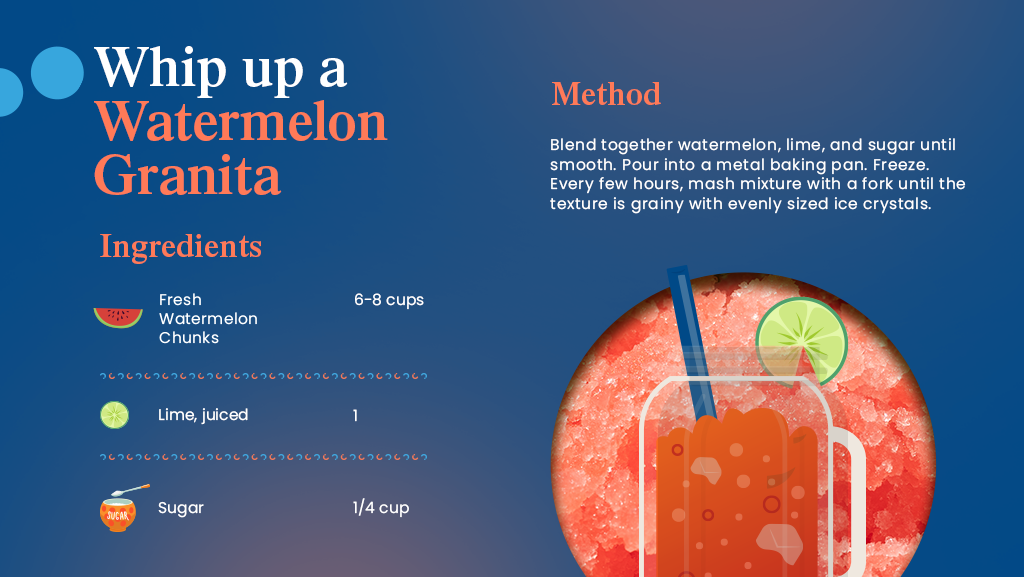
Planning means protection
Summer is a time to have fun, and a few safety precautions can go a long way toward making sure you have the time of your life. Plan your picnics, your trips to the beach, and your backyard barbecues with your health in mind, and plan for any health emergencies by keeping your doctor’s name and contact information in an easily and instantly accessible place.