
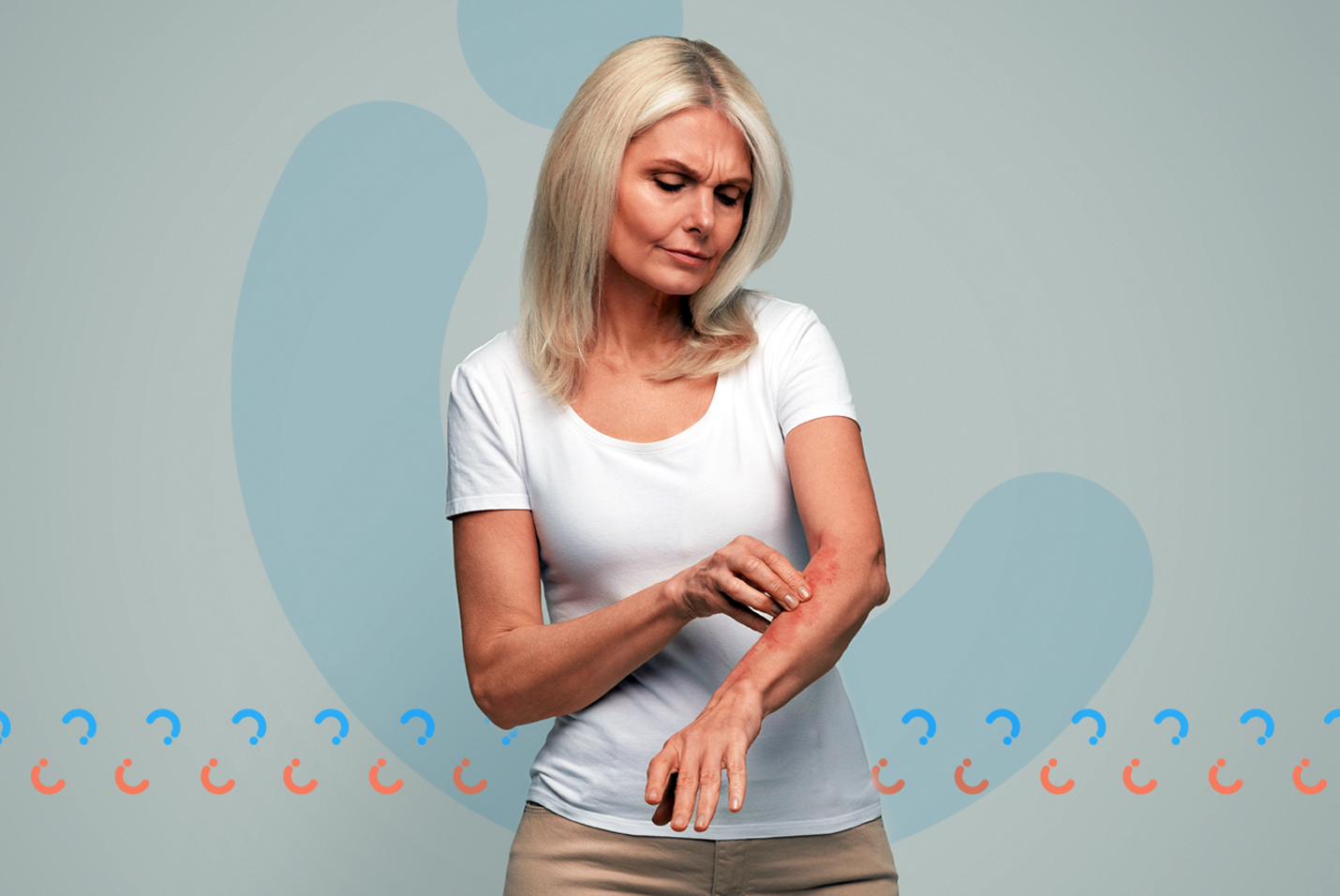
Why do I feel itchy all the time?
As a senior adult, you may have noticed you’re scratching your skin a lot more than you used to. Scalp, palms, neck, back, elbows, groin, shins, feet — everything has suddenly been itching so much and you’re desperate to know how to stop itching.
The primary reason for whole body itching, or certain specific areas itching, is aging. Along with changing almost everything else in your body, aging changes the composition of your skin.
Skin becomes thinner, drier, and more fragile. The underlying protective layer of subcutaneous fat decreases. Skin bruises easily, while any cuts and scratches take longer to heal. All these contribute to itching.
Other causes of itching
While the sudden onslaught of itching may be mainly because of increasing age, other factors can come into play as well, such as illness or a chronic disease like diabetes or chronic kidney disease. Sometimes, this can be what causes itching that moves around the body.
Yet more reasons are the weather, improper hygiene, contact dermatitis, and lack of certain vitamins, notably vitamin A.
- Naturally dry weather
As you grow older, the sebaceous glands in your skin don’t produce as much oil, or sebum, as they used to. This means your skin cannot protect itself properly against dryness in your environment. If the weather is cold and dry, or hot and dry, your oil glands struggle to create a layer of sebum that will adequately lock moisture in. This results in skin that feels dry, tight, and itchy.
Solution: Moisturize with skincare products that contain emollients. Emollients are soothing substances added to creams, lotions, and moisturizers that form a protective film over skin, to prevent skin’s own moisture from evaporating.
Petroleum jelly is an emollient, as are all edible oils such as coconut, olive, avocado, etc. These are all great for use in cold weather. To protect against dryness in summer, slather on fresh aloe vera gel, which soothes, cools, hydrates, and reduces itchiness.
- Artificially dry climate
Controlling the temperature artificially, by using air conditioners in summer and heaters in winter, can have a severe effect on skin. Air conditioners remove moisture, or water vapor, from the air in the cooling process. Heaters simply burn away most of the water in the air. The machines don’t discriminate against the source of water, whether it’s in the air or in your body, they will dry it off.
Solution: Moisturize skin well and repeatedly. Drink plenty of water to replace the fluids evaporating from your body, and restore moisture in your environment with a humidifier.
Spray your face, the back of your hands, your neck, and any exposed skin frequently with a hydrating fluid. You can use a spray bottle filled with plain water or rosewater, or buy cosmetic preparations known as mists.
- Improper hygiene
Personal hygiene can take a backseat with age when lack of energy, reduced mobility, and a fear of falling make it difficult to shower or bathe every day. Professionals at many senior care organizations believe daily showers aren’t all that necessary either, especially if the person is not very active. Once or twice a week is plenty as long as the person maintains a daily routine of washing their face, armpits, groin, genitals, skin folds, and feet.
But even if you follow a daily wash routine, it’s easy to forget. Then, when sweat, dirt, and bacteria collect in the folds and crevices of skin in these areas, it can result in an itchy rash.
Solution: Ensure that armpits, groin, and face-and-neck have their own easily identifiable washcloths. Wipe the areas first with a mixture of soap and water, then with clean water until all traces of soap are gone. You can also use antibacterial wipes. Pat dry and moisturize to prevent itching.
- Contact dermatitis
This type of itchy rash happens when you come into contact with a material or substance that irritates your skin. The irritant could be a fragrance or other ingredient in your soap or skincare products, the detergent used to wash your clothes, or certain kinds of metal, such as nickel.
You can develop contact dermatitis from your clothes as well. Synthetic fabrics such as polyester, nylon, spandex, and acrylic don’t breathe, make you sweat more, don’t absorb the sweat you produce, and create too much friction between skin and clothing. This leads to rashes and itching, most commonly in areas that see movement, like the neck (rubs against collar) and underarms.
Solution: Switch to fragrance-free skincare, soaps, body washes, and laundry detergent. Wear clothing made of natural fibers such as cotton, linen, or even hemp or bamboo.
- Diabetes
High levels of glucose prevent blood from circulating properly around your body. This can cause nerve damage, which leads to a form of itching known as neuropathic itch. Neuropathic itching is not an issue with skin on the surface, but with damage to the nervous system inside. As such, topical treatments such as creams and lotions don’t really solve the problem.
If you have diabetes, whenever you find yourself wondering, “Why are my hands and feet itching like crazy?”, check your blood sugar levels ASAP.
Solution: To manage the itching brought on by diabetes, keep your blood sugar levels under control with diet, exercise, and medication.
- Kidney disease
Itching is one of the main symptoms of chronic kidney disease, and is especially pronounced towards the end stage. When kidneys aren’t able to filter blood effectively, toxins and waste build up, causing extreme itchiness. Poor kidney function also leads to an accumulation of phosphorus, which irritates skin.
Itching brought on by kidney disease can be deeply distressing and may become worse with extremes in temperature (both hot and cold), stress, physical exertion, and even showering.
Solution: Your doctor may prescribe medication as well as topical treatments like creams and lotions. Oatmeal baths may also help to temporarily calm skin rashes and itching.
Oatmeal bath to soothe itchy skin
Grind dry, uncooked, whole oats into as fine a powder as possible. Stir a cup of the powdered oatmeal into lukewarm water. The water should look milky and feel silky. Soak in the mixture for no more than 15 minutes (any longer and your skin may dry out more). Do not use soap afterwards. Rinse with plain water, pat dry, and moisturize well.
For a less messy experience that won’t clog the drains, put the oatmeal powder in a fine mesh filter bag, cheesecloth, or a sock. Put it directly under the faucet and swish it around to cloud the water.
- Lack of vitamin A
Lots of fancy, expensive skincare products contain retinol. Retinol has been called everything from a ‘powerhouse ingredient’ to ‘miracle anti-aging’ and more, but most of us are familiar with it as plain old vitamin A.
Vitamin A is one of the building blocks of skin. Not having enough vitamin A in your body can lead to dry, scaly, and itchy skin.
Solution: Topical preparations containing vitamin A, or retinol, can soothe inflamed, itching skin. You can also increase vitamin A levels in your blood by taking a supplement, or eating plenty of liver meats, bluefin tuna, sweet potatoes, and cantaloupe.
When to speak to a doctor about your itch
Just because the itch comes and goes, you might think it’s not worth talking about with your primary care physician. However, it can be symptomatic of a bigger problem or underlying disease. Itchy skin can be a sign of something serious, and the earlier you discuss it with your doctor, the better it is for your health and well-being.