

In recent years, there has been a shift in healthcare towards a new approach called Value-Based Care. This model aims to deliver high-quality care that improves patients’ experience and health outcomes. With studies showing that value-based care leads to 38% fewer hospital admissions and 31% fewer emergency room visits, you can trust that value-based care is the cornerstone of your journey toward optimal well-being.
Understanding Value-Based Care:
Value-based care is a departure from the traditional fee-for-service model, where healthcare providers are paid for each service or procedure they perform. In value-based care, reimbursement is based on the quality and effectiveness of care provided, rather than the quantity of services rendered. The goal is to ensure that patients receive the right care, at the right time, in a cost-effective manner.
Key Elements of Value-Based Care:
- Focus on Outcomes: Value-based care places a strong emphasis on achieving positive health outcomes for patients. This means that healthcare providers focus on preventive care, early intervention, and long-term management of chronic conditions. Regular check-ups, screenings, and lifestyle changes detect risk factors early and lead to better outcomes.
- Quality Measures: High quality of care is core to value-based care. Several measures including patient satisfaction, timely screenings, and disease management effectiveness are tracked and reported annually. Healthcare providers’ payments depend on how well they meet these measures.
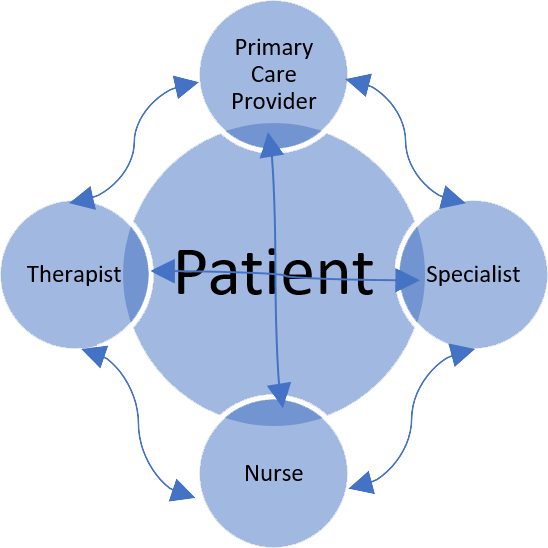
- Care Coordination: Value-based care encourages better coordination among healthcare providers. This means that doctors, specialists, nurses, and other caregivers work together to create a comprehensive and seamless care experience for patients.
Benefits of Value-Based Care:
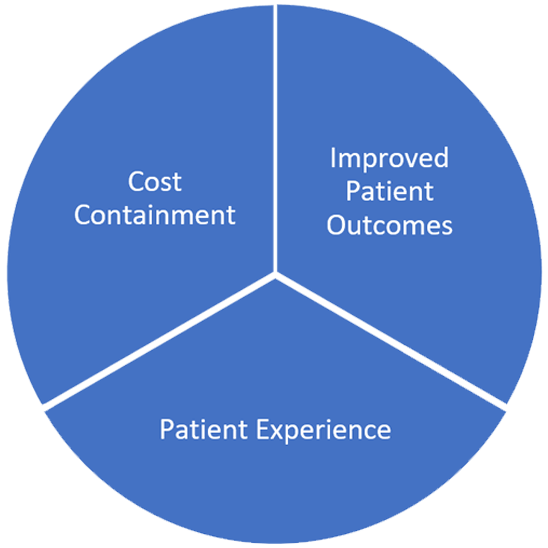
- Improved Health Outcomes: By focusing on quality and patient outcomes, value-based care helps to improve the overall health of patients. It prioritizes preventive care, early intervention, and chronic disease management, which leads to better health outcomes.
- Cost Savings: Value-based care aims to control healthcare costs by promoting efficient and effective care. By emphasizing preventive measures and proactive management of chronic conditions, unnecessary hospitalizations and costly interventions can be minimized, which benefits both the patient and the provider.
- Patient-Centered Care: Value-based care places the patient at the center of the healthcare system. Shared decision-making, patient engagement, care plans tailored to individual needs, stronger doctor-patient relationships all ensure that care is based on the patients’ preferences and goals.
Paving The Way for A Healthier Future:
Value-based care is a transformative approach to healthcare that delivers high-quality care, improves health outcomes, and minimizes healthcare costs for patients. By emphasizing outcomes, incorporating quality measures, promoting care coordination, and prioritizing patient-centered care, value-based care is paving the way for a healthier future. It not only benefits patients by providing better care and improved health outcomes but also leads to cost savings and a more sustainable healthcare system.