
Atherosclerosis vs arteriosclerosis — with such a small difference in spelling, it’s easy to mix up these two health conditions.
Atherosclerosis is a subcategory of arteriosclerosis. To put it another way, arteriosclerosis is a book of diseases affecting your arteries and atherosclerosis is just one chapter in that book.
What are arteries
Inside our bodies is a complex network of tubes that carries oxygenated blood from the heart to all the other organs, and brings oxygen-depleted blood back to the heart to be recharged. Some of these tubes are called arteries, some are called veins.
Difference between arteries and veins
The main difference between arteries and veins is the direction of blood flow. Arteries take blood away from the heart, and veins bring blood back to the heart.
Since the heart is located near the top of our bodies, the pull of gravity means arteries need to be strong. They have thicker walls than veins, but at the same time, the lumen — which is the hollow space in the center of the tube — is narrower than the lumen in veins. This makes it possible for arteries to handle the speed and pressure of blood without bursting.
What is arteriosclerosis
Arteriosclerosis refers to a group of diseases that cause any section in the arterial network to harden.
The human heart has 4 chambers: right and left atriums, and right and left ventricles. The left ventricle, that sends out oxygen-charged blood to the body, is connected to a large, fat section of arterial tubing called the aorta. At its widest point, the aorta can measure up to 2 inches in diameter. It is the largest blood vessel in our bodies.
As the aorta travels down the chest and stomach, multiple small arteries branch off to serve the other organs. Near your belly button, the aorta splits into two. One branch goes down your right leg, the other down your left.
Healthy arteries are supple and flexible. But over time, for any number of reasons, they can become thick, hard, and stiff. This is known as arteriosclerosis, and it is an umbrella term that covers all related diseases.
What are the types and causes of arteriosclerosis
The various types of arteriosclerosis are named after the specific section of artery in which they occur. The most frequently occurring types of arteriosclerosis are:
- Carotid artery disease (in the neck)
- Coronary artery disease (in the heart)
- Peripheral artery disease (in the legs, arms, or pelvis)
- Renal artery stenosis (around the kidneys)
What is atherosclerosis
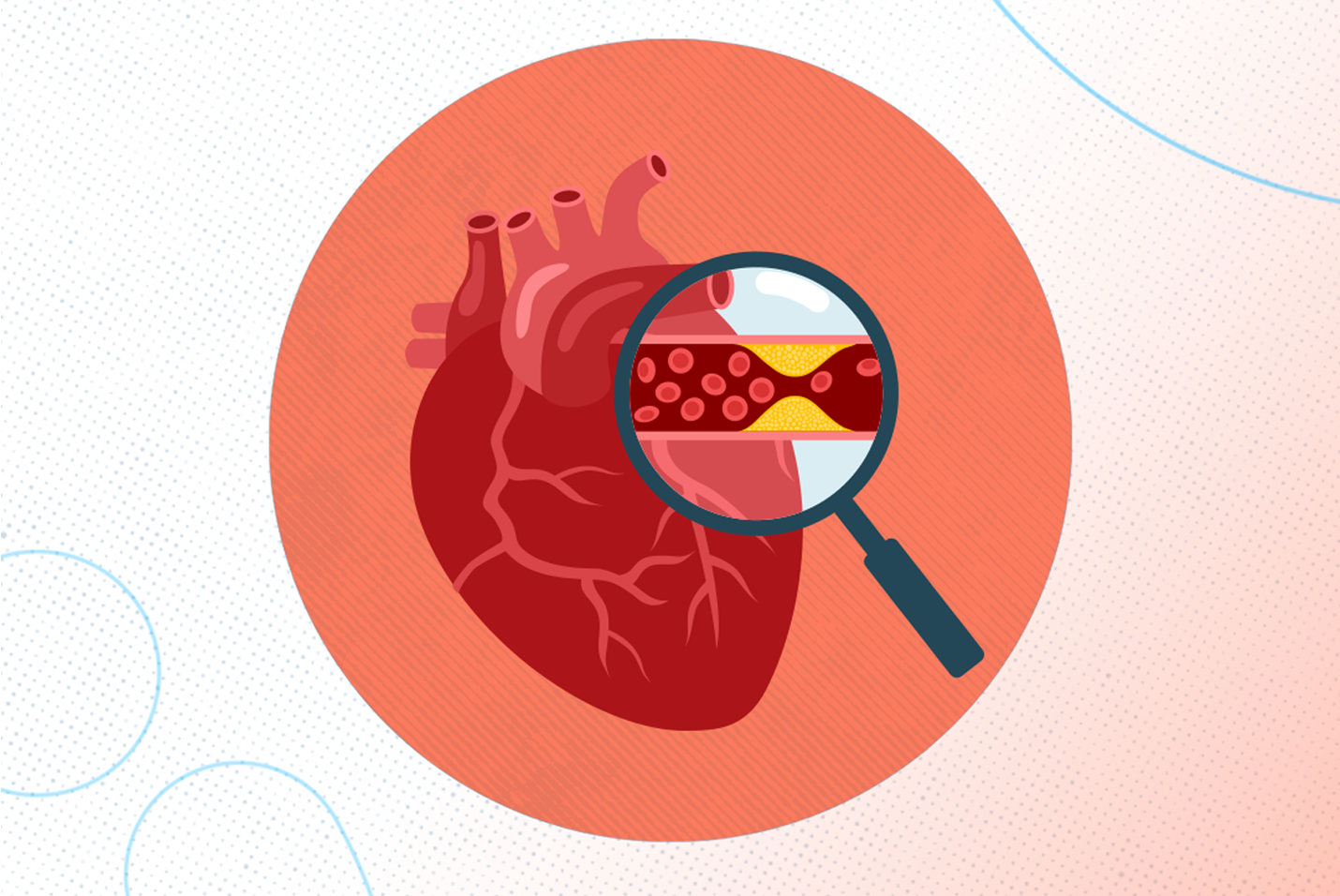
Atherosclerosis is a specific kind of disease that comes under the umbrella term arteriosclerosis. It happens when plaque builds up inside the walls of the arteries. The arterial lumen is already narrow to begin with, and when the layer of plaque thickens, it robs blood of the space it needs to flow properly.
This slows the circulation of blood in your body, and may deprive organs of adequate amounts of oxygenated blood.
What is arterial plaque
Arterial plaque is a waxy substance made up of particles of fat, cholesterol, cellular waste, calcium, and other materials.
These particles are carried around the body in the bloodstream. During their travels, some particles of fat, cholesterol, and other matter begin sticking to the walls of the arteries. With time, the layer of plaque builds up, grows thicker, and starts clogging the arterial lumens.
What happens if you have atherosclerosis
If plaque builds up so thick that it completely blocks an artery, or if a chunk of plaque breaks off and obstructs the flow of blood, this results in a blood clot, which may lead to a heart attack or stroke.
Where does atherosclerosis usually happen?
Atherosclerosis can occur anywhere where there is an artery. Many people assume atherosclerosis is a cardiovascular disease, but it can be a thickening of the artery in any part of the body. However, the closer atherosclerosis is to the heart area, the higher the risk of cardiovascular failure.
Symptoms of atherosclerosis
Atherosclerosis is a sneaky disease because it happens so slowly, over a long period of time, and doesn’t present any major symptoms in the early stages. In fact, it can be quite hard to tell if you have atherosclerosis until the disease is fairly advanced.
The most common symptoms of atherosclerosis are:
- Chest pain, known as angina
- Sudden, temporary loss of vision in one eye
- Lowered blood pressure
- Pain in the legs while walking or exercising
- Legs and feet feeling cold or numb
How is atherosclerosis caused
Although heart attacks (a consequence of atherosclerosis) are often considered an ‘older person disease’, atherosclerosis often begins in childhood.
Your genes may have a significant influence on how susceptible you are to atherosclerosis. However, a nutritionally inadequate diet with large amounts of low-density lipoprotein (LDL), also known as bad cholesterol, is one of the primary causes of atherosclerosis.
Smoking, drinking alcohol, not getting enough exercise, all contribute to plaque creation.
Certain medical conditions also play a role in thickening arterial plaque. For instance, the excess glucose in the blood of persons with diabetes may accumulate along arterial walls along with particles of fat and LDL cholesterol.
Diagnosing and managing atherosclerosis
Let your doctor know if you experience any of these symptoms. Your doctor will run blood tests to check your levels of triglycerides and lipoproteins. They may also ask you to have an electrocardiogram, or imaging tests like angiography, MRI, or an ultrasound to identify and locate any thickened or clogged sections of artery.
Atherosclerosis can be managed by following a preventative care plan that focuses on eating well, exercising, quitting smoking, and reducing the amount of alcohol you drink. The earlier you begin, the better your chances of success.