

Chronic Obstructive Pulmonary Disease, or COPD, is the collective name for several different problems that make it difficult for lungs to function properly. The two most prevalent health conditions that come under the COPD umbrella are chronic bronchitis and emphysema.
As a chronic disease, COPD is a long-lasting health condition that can’t be cured. It can only be managed or controlled. It is very common among senior adults, with around 1 in every 10 people aged 65 years or above being diagnosed with some form of it. However, millions more remain undiagnosed.
Some early warning signs that you may have COPD are shortness of breath, wheezing, a cough that won’t go away, and tightness in the chest.
Why does COPD get so bad when the weather cools?
For senior adults suffering from COPD, fall and winter can be an especially challenging time for many reasons.
-
Cold air is dry, and drying
The air in winter is often dry. In turn, it can dry out the mucus membrane lining your airways from just inside your nostrils, to the alveoli deep in your lungs. As the dried-out mucus cracks and peels, it may pull off a layer of the underlying tissue with it. This can scratch the microscopic blood vessels lining the airways, causing bleeding, irritation, and risk of infection.
-
Seasonal illnesses are rampant
Fall and winter are prime seasons for colds, flu, and other respiratory illnesses. These illnesses are often characterized by coughing and sneezing, which put extra pressure on your lungs. Any damaged alveoli in your lungs run the risk of further damage.
-
You avoid exercise
When the temperature drops outside, most of us tend to stay wrapped up inside, putting a hold on our physical activities. Not getting enough exercise, especially aerobic exercise which gives your heart and lungs a workout of their own, can worsen COPD in the colder months.
-
You gain weight
We tend to eat more calorie-dense foods in colder weather, and this is also the big party season with two major festivals centering on food. Between Thanksgiving, Christmas, and the days leading up to the New Year, too many of us go wild with our diets.
In overweight, particularly apple-shaped, people, COPD may intensify with every pound gained because fat stored in the chest and abdomen restricts your lungs’ capacity to fully expand.
How to manage COPD in fall and winter
With a few small adaptations and precautions, you can manage COPD in the colder months just as well as you do in summer.
-
Warm the air and clean it, too
Heating a whole house can be expensive and wasteful, so it’s better to just heat the spaces where you know you’ll be spending the most time. Use a humidifier to raise the moisture content of the air and invest in a high-efficiency particulate air (HEPA) purifier. These have pleated filters that are theorized to trap at least 99.97% of dust, pollen, mold, and bacteria. Clean the filters in heaters, humidifiers, and air purifiers regularly to prevent mold and bacterial growth.
-
Cover up outside
When going outside, put on an inexpensive surgical mask first, then wrap a scarf around your nose and mouth to create a double layer of protection. The scarf warms the air before it goes into your nose and the mask filters out any dust particles that might have settled on the scarf. The mask will also keep you from inhaling any tiny synthetic fibers shedding from the scarf.
-
Avoid crowds and wash hands
The fastest and easiest way to catch the flu or a cold is to hang out with other people, but that doesn’t mean you bring your social life to a complete halt. Do spend time with people, but avoid large gatherings in small indoor spaces.
As cold and flu viruses can survive for up to 2 days on surfaces like doorknobs and cellphones, make sure to wash your hands frequently.
-
Exercise indoors
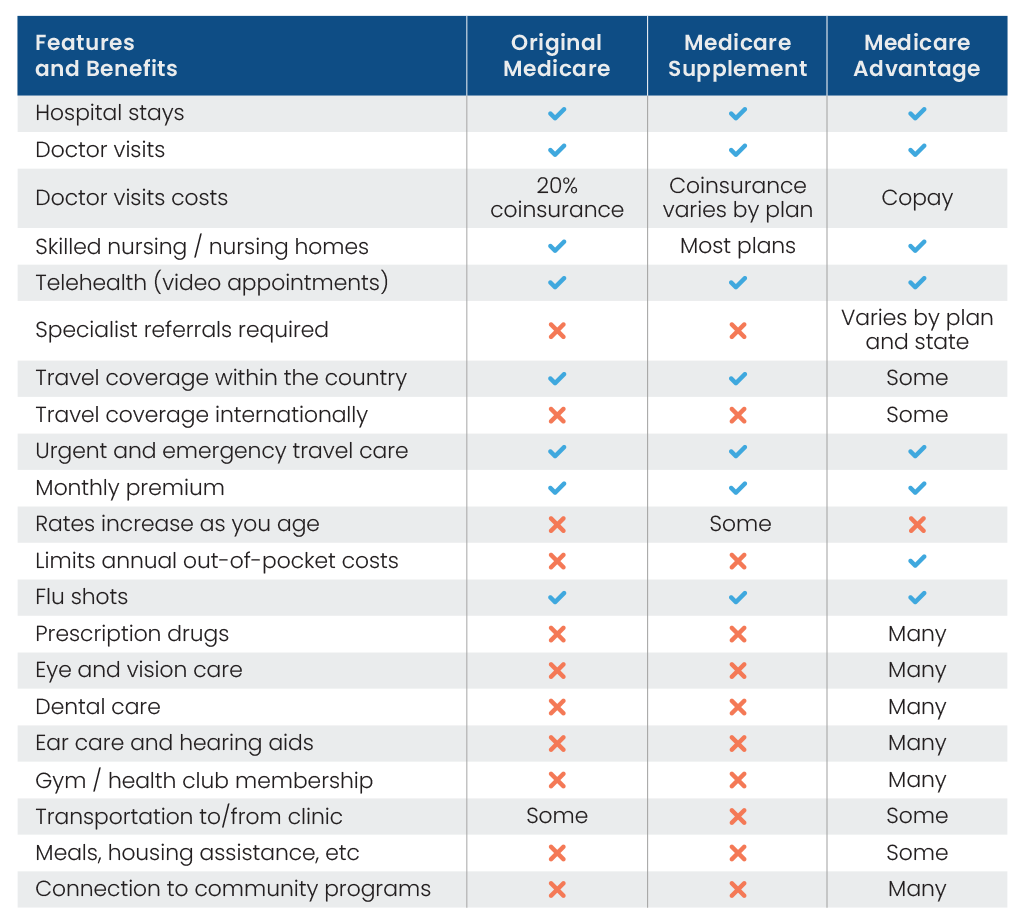
Maintain your physical activity as much as possible. Get a gym membership (if you have a Medicare Advantage plan, check if your insurance provider will pay for it) or sign up for a dance class. There are tons of exercise tutorials online as well, so pick something that appeals to you and get moving.
-
Give your lungs a workout
Box breathing is a form of controlled, mindful breathing that can help increase the capacity and muscular strength of your lungs. Some studies have shown that box breathing may also reduce your levels of cortisol, a stress hormone linked to depression, making this a 2-for-1 deal that gives you a handle on COPD as well as the winter blues.
-
Quit smoking
Around 7 out of every 10 cases of COPD diagnosis are the result of smoking. Cigarettes and even products like electronic cigarettes and vapes contribute to lung damage, and second-hand smoke is just as dangerous. There are many resources out there to help you quit smoking, and if you are enrolled in Medicare Part B, you can get quit-smoking counselling for free.
Keeping COPD under control
Emergency situations as a direct result of COPD are possible, but not that frequent. However, having comorbidities such as Chronic Heart Failure (CHF) may raise your risk of needing to rush to the hospital.
Be vigilant about keeping your COPD under control. If you use an inhaler, keep it close at all times. Avoid triggers such as dust, pet dander, and other allergens, and speak to our qualified doctors nearest you about any concerns you may have.