
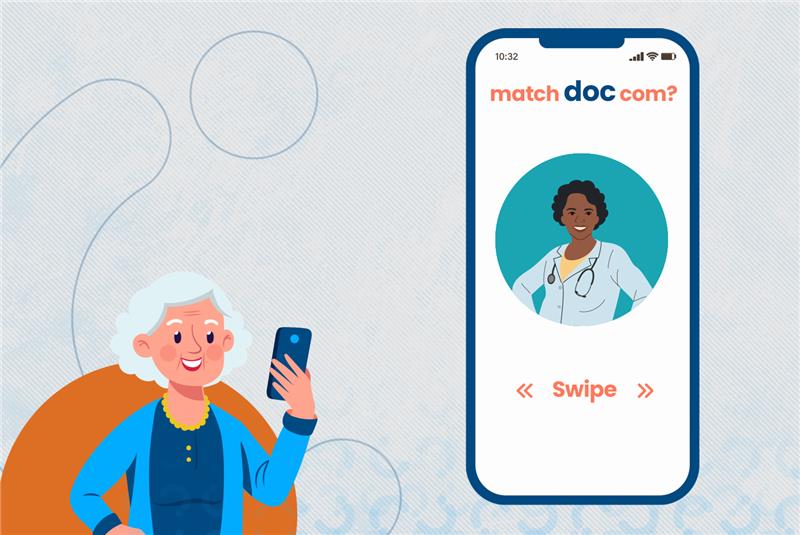
HOW TO SWITCH PRIMARY CARE DOCTORS WITH MEDICARE: A STEP-BY-STEP GUIDE
There can be many reasons why you might want to change your primary care physician. For Medicare beneficiaries, especially, understanding when and how to make the switch is key to maintaining continuous, high-quality care. Below, we walk through: How to switch Medicare primary care doctors How often can you change your primary care physician And when it comes to other people like you, how often do patients change doctors Why do people change primary care doctors? Changing primary care doctors is more common than you might think. According to one survey, around 4 out of 10 patients switch care providers over time. The more frequent reasons include: Your health needs have changed Aging changes your body in many, and often surprising, ways. There are new aches and pains, new chronic conditions, and existing health conditions may grow worse. Because of this, you might need a doctor who is more knowledgeable and experienced in treating your new conditions, or is a specialist in your pre-existing chronic disease. Many senior adults might also switch to a geriatrician. These are doctors who specialize in procedures, practices, and treatments that serve the very specific needs of older adults. Read more: What is geriatric care and why is it important Your Medicare plan has changed Shake-ups in healthcare plans, especially in Medicare Advantage (also known as Part C and provided by private insurance companies) are commonplace. Care providers may decide not to renew contracts with insurance providers, which means they will no longer accept your insurance. In such a case, you would have to choose between switching doctors, or switching your healthcare plan. What you should know about Medicare Advantage Open Enrollment Period You’ve moved Moving to a new area, say from Arizona to Texas, would make it necessary to find a more accessible doctor, within a reasonable distance from your new home. Your current doctor has retired Sometimes it’s not a patient’s choice, but a necessity if your doctor is the one stepping away. Doctors may change workplaces, move away, or retire. In this case, you must find a new provider, whether you are ready for the switch or not. It’s just not working out If you have started seeing a new doctor recently, you’re probably still in the process of evaluating them. Are you happy with the way they communicate? Do you feel heard? Do you have confidence in the doctor’s ability to provide satisfactory care? Are you comfortable with the wait times at the clinic? Ideally, you want a doctor you can keep seeing for as long as possible, because a long and satisfactory patient-provider relationship makes a strong foundation for good continuity of care. Some patients can figure out if they click with their doctor or not during their very first appointment. Others might need a few more visits. Either way, both have the freedom to continue meeting new physicians until they are satisfied. Worried about making the switch? Some common concerns You may be apprehensive about changing your care provider, especially if you’ve been seeing them for a long time. You may worry you will ‘upset’ your doctor, or that it’s rude, or that you’re doubting their capabilities. These feelings are common. However, your own health and comfort are the priority here, and a good doctor should understand that. If your current doctor gets upset that you don’t want to see them anymore, that’s a red flag, because responsible care professionals understand that patients’ needs evolve, and your decision to switch is about your well-being, not a personal affront to them. Do I have to give reasons or explanations for switching doctors? If you feel you must explain your decision to soothe your doctor’s hurt feelings, then no. There is no need to do that. On the other hand, your current doctor may be able to help with suggestions and recommendations if they know why you’re switching. For instance, if your COPD is worsening, they may guide you toward another doctor who is more experienced in the treatment and care of the disease. Learn more: What is Chronic Obstructive Pulmonary Disease (COPD) Can my current care provider cause any problems if I move to another doctor? Some senior patients worry that their current care provider may not transfer their health records to the new provider, but HIPAA gives you the right to transfer your medical records. Under the Health Insurance Portability and Accountability Act (HIPAA), you have the lawful right to access and transfer your medical records whenever you want, to whichever care provider you want. Transferring medical records to a new physician is necessary to ensure continuity of care. As a standard procedure, your records are usually transferred to your new doctor within 30 days of requesting them. Brush up on Your rights as a patient How often can you change your primary care physician? You can switch doctors as often as you need to, or whenever you want to. On Original Medicare: You can see any doctor who accepts assignment. There’s no need to notify anyone when switching. On Medicare Advantage: You can only see doctors in your plan’s network. Before switching, check your plan’s provider directory or contact your insurer, or you may have to deal with high out-of-pocket costs. You may also need to update your PCP selection with the plan. What’s the downside of switching doctors too often? Even though there’s no limit to how often you can switch doctors, it’s not advisable. Seeing the same doctor for long helps establish good continuity of care. Frequent switches can make it harder for any doctor to get a full picture of your health history, whereas having one provider who really knows your medical history is one of the best ways to catch problems early and manage chronic illness better. Step-by-step: How to change your Medicare primary care doctor Changing doctors is a serious decision because establishing trust with a new care provider may take time. Here are the 10 steps, in sequence, to help you